Lymphedema Management

Understanding and Managing Lymphedema After Cancer Treatment

Expert support for swelling, heaviness, tightness and mobility concerns that may appear after cancer surgery, radiation or lymph node treatment.

Cancer Screening and Prevention
Lymphedema Management

Understanding and Managing Lymphedema After Cancer Treatment

Early care protects mobility.

It is very common for people to believe that the treatment for cancer ends once the patient has completed all of the treatment options, such as surgery and radiation therapy. However, this is not true because some patients still suffer from physical complications after completing their cancer treatments. Lymphedema is one of those cases.

Lymphedema usually affects the arms or legs, but it may also occur in other parts of the body. It can develop slowly and is at times perceived to be a temporary problem. Some individuals experience its onset immediately after treatment, while others only experience the condition several months or even years later.

However, most patients can control their symptoms, remain mobile and perform their duties without any difficulty with proper evaluation and treatment. For the prevention of the disease, early diagnosis plays a vital role.
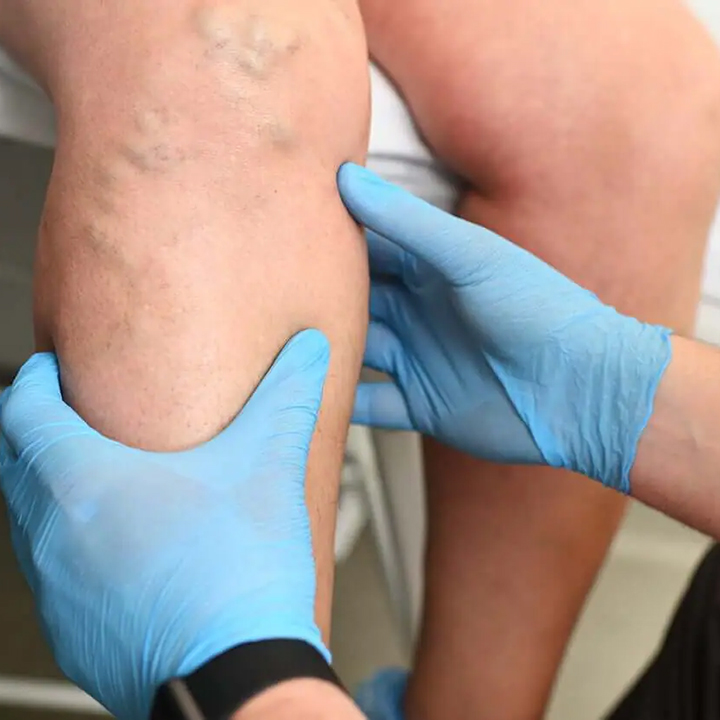
Lymphedema is manageable when recognised early.

Timely assessment helps reduce discomfort, protect movement and support long-term independence after cancer treatment.

What Is Lymphedema?

The lymphatic system is one of the most important components in terms of the natural draining systems within our body. The task of the lymphatic system is to drain any surplus fluids, waste substances, and cells from the immune system throughout the body. Lymph fluid draining can be interfered with by cancer treatments.

In other words, fluid might start accumulating in the tissues surrounding the area causing swelling called lymphedema. The swelling might either affect only one area or be spread across a bigger area of the limb. Apart from swelling itself, there might be tightness, weightiness, and inflexibility.

Lymphedema is much more than just a cosmetic problem. It can become rather uncomfortable, restricting movement and making certain activities difficult if not addressed. Patients will get the help that they require in time if the symptoms are spotted early enough.

Signs You Should Not Ignore

Early recognition can prevent long-term complications.

Lymphedema often develops gradually. Recognising these warning signs early can help patients seek timely evaluation and support.

01

Swelling of the Arm, Leg, Hand or Foot

A significant enlargement or swelling of one side of the body is often indicative of the fact that the lymphatic drainage system has been disrupted.

02

Feeling of Heaviness or Tightness

In some cases, patients report that there is a feeling of heaviness or tightness in the affected arm or leg.

03

Skin Changes

The skin may feel stretched, firmer than usual, or appear different in texture as swelling develops over time.

04

Unpleasant Activities

If swelling occurs, certain activities such as dressing, carrying objects, walking, or standing for long periods of time may be difficult to perform.

Who Is at Risk of Developing Lymphedema?

While all cancer patients who receive cancer treatment may not necessarily develop lymphedema, there are some forms of cancer treatment that increase one's risk of developing the condition. Patients who have received cancer surgery, where the lymph nodes are surgically removed, are at risk for developing lymphedema.

The condition known as lymphedema occurs predominantly due to cancer therapy of breast cancer if the axillary lymph nodes have been involved. Another instance when lymphedema can be seen as a consequence of cancer therapy would be the treatment of any other type of cancer involving the lymph nodes.

The risk will depend on the individual. The kind of treatment a patient receives, the amount of lymph nodes affected, as well as their body's ability to heal will all have an impact. Recognising the risks helps patients detect problems early on and get help when needed.

Our Approach

Our Approach to Lymphedema Management

Lymphedema management is not focused solely on reducing swelling. It is about preserving mobility, maintaining independence and helping patients feel confident in their everyday lives. Through comprehensive evaluation, early intervention, movement support and long-term self-management education, care is tailored to each patient's individual needs and recovery journey.

01

Comprehensive Evaluation

Each patient undergoes an individual assessment to determine the level of swelling, nature of symptoms, and impact of the problem on their quality of life.

02

Detecting Problems Early

Consistent monitoring ensures early detection, enabling proper management of problems that would otherwise be hard to control.

03

Compression Therapy Guidance

When appropriate, patients receive guidance regarding compression strategies that may help support lymphatic drainage and swelling management.

04

Support Through Exercise and Movements

Particular suggestions regarding exercise and movement could be used for helping to retain flexibility and mobility and managing symptoms.

05

Self-Care Long-Term Education

People are supplied with necessary information and methods that will allow them to cope with their lymphedema on their own.

Why Early Management Matters

Lymphedema typically occurs gradually. If the condition starts off mild and goes untreated, then the condition will worsen over time. It is important to manage the condition early so that discomfort is limited as well as mobility.

Many patients fear that swelling is just something that they will have to put up with. The truth is that with early detection and proper advice, one can see positive change in how swelling is managed.

It will also aid in fostering healthy habits that could be helpful to foster lymphatic health in the coming future. Early diagnosis will ensure that one has higher possibilities of maintaining their comfort and independence.

Living Well With Lymphedema

Daily Routine Activities: Basic activities on a daily basis can also be vital in enhancing one's lymphatic system and preventing swelling.

Physical Exercises and Activity: Exercise ensures that one remains flexible and has good circulation. These exercises vary from person to person according to their requirements.

Care of the Skin: Proper skin care is essential since these areas may need special care to avoid irritation.

Long-Term Follow-Up: Signs of disease can change with time. Continued observation will allow individuals to recognize any changes and obtain advice on time.

Helping Patients Regain Comfort and Confidence

Having lymphedema can be somewhat irritating at times, especially when the onset of swelling affects a person's regular activities. Many patients have found that knowing about the condition and managing it through certain techniques allows them to feel in control again.

A number of patients are capable of coping well with the disease and performing daily activities without problems with proper evaluation and treatment. For preventing the disease from happening, early detection plays a vital role.

Book a Consultation

If you feel any signs such as swelling or pain after undergoing cancer treatments, seeking expert advice can be useful in finding out the reasons for those signs. You can set up a meeting with Dr. Sneha to talk about the same.

FAQs

Common Questions

Does swelling occur frequently among the side effects of cancer treatments?

It is necessary to investigate swelling that occurs following cancer treatments in order to determine its cause.

Does lymphedema occur long after cancer treatment has been administered?

Yes, in certain individuals, swelling can still persist even months or years following cancer treatment.

Would early treatment make a difference?

There are more choices available when it comes to dealing with and preventing swelling when treatment occurs early.

When should I get an evaluation?

It is recommended that you consult a doctor when you have any form of swelling after cancer treatment.

Dr. Sneha Assistant Typically replies instantly
Hello! How may I help you today?
Choose an option below: